
You give the orders. The world answers.
Crown & Ballot is played in turns. You decide what your side does, move the clock forward, and an AI game master works out what everyone in the world did in that time. Here is one turn, step by step.
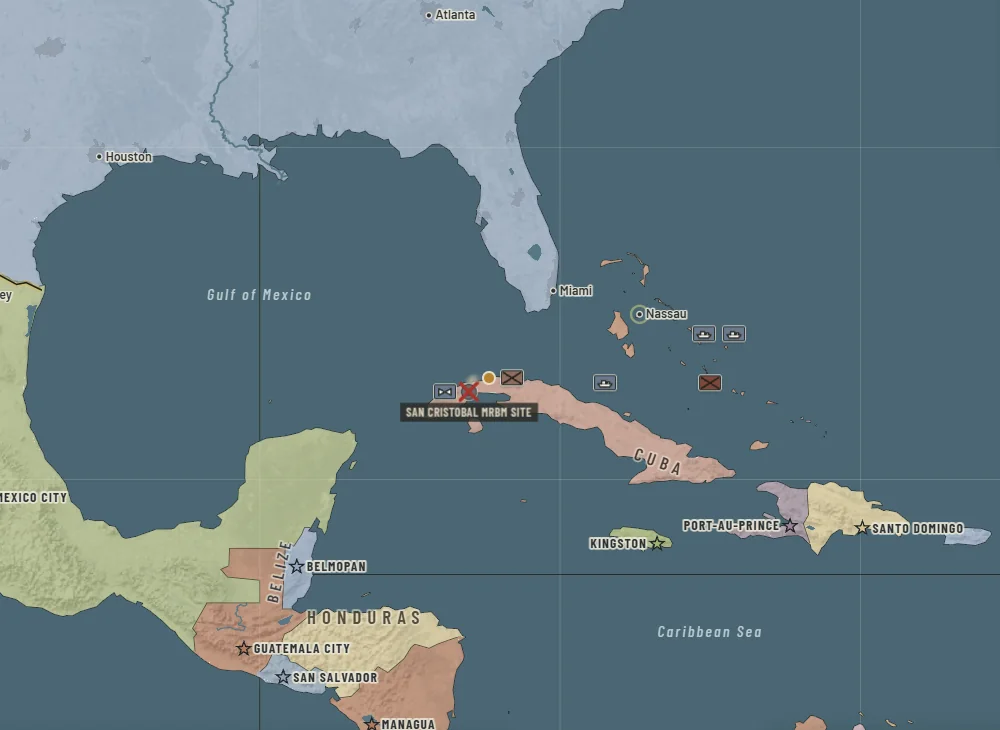
1Choose a side and a date
Start from one of the scenarios or pick any date from 1815 to today, on the borders of the time. Play a great power, a small state, or a movement: a rebel army, a militia, a government in exile. The armed groups that really held ground on that date are already on the map.
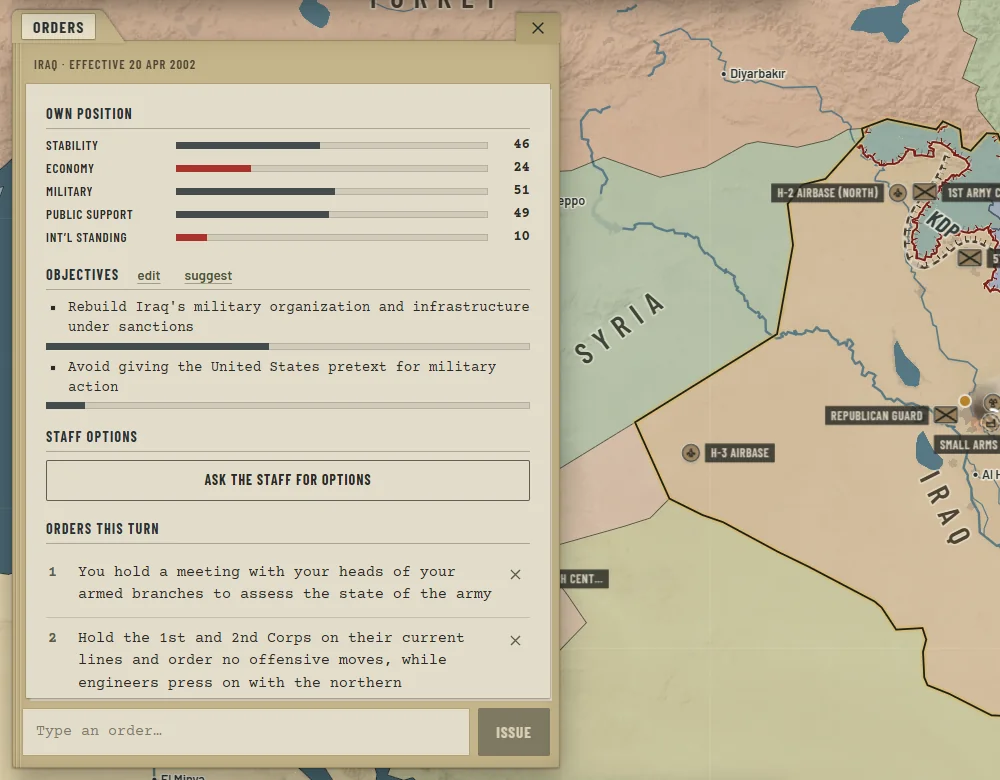
2Give orders in your own words
Write what you want done, as you would to a cabinet or a chief of staff: a quiet word with a general, new taxes, a mobilisation, a treaty offer. If you're stuck, ask the staff for options. Your officers obey, your government carries each order out as far as its real means allow, and between orders it keeps working on its own strategy.
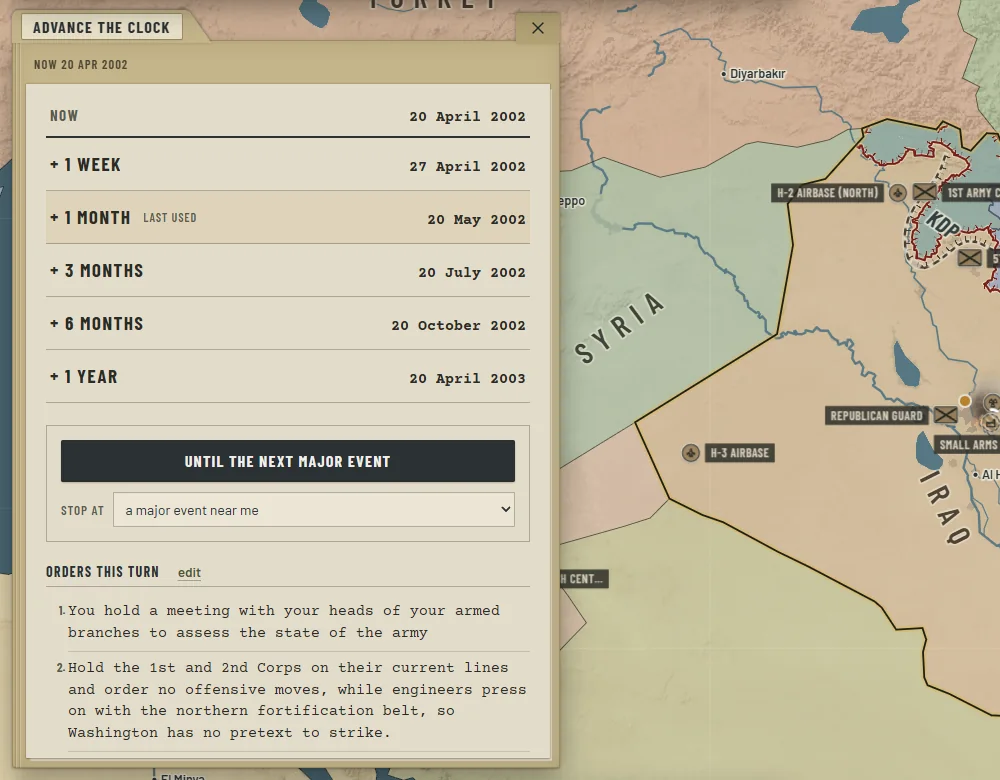
3Advance the clock
Move on a week, a month, three months, six months or a year, or let it run until the next major event near you. The game master plays out that stretch for the whole world, not just for you, in anything from a few seconds to about a minute.
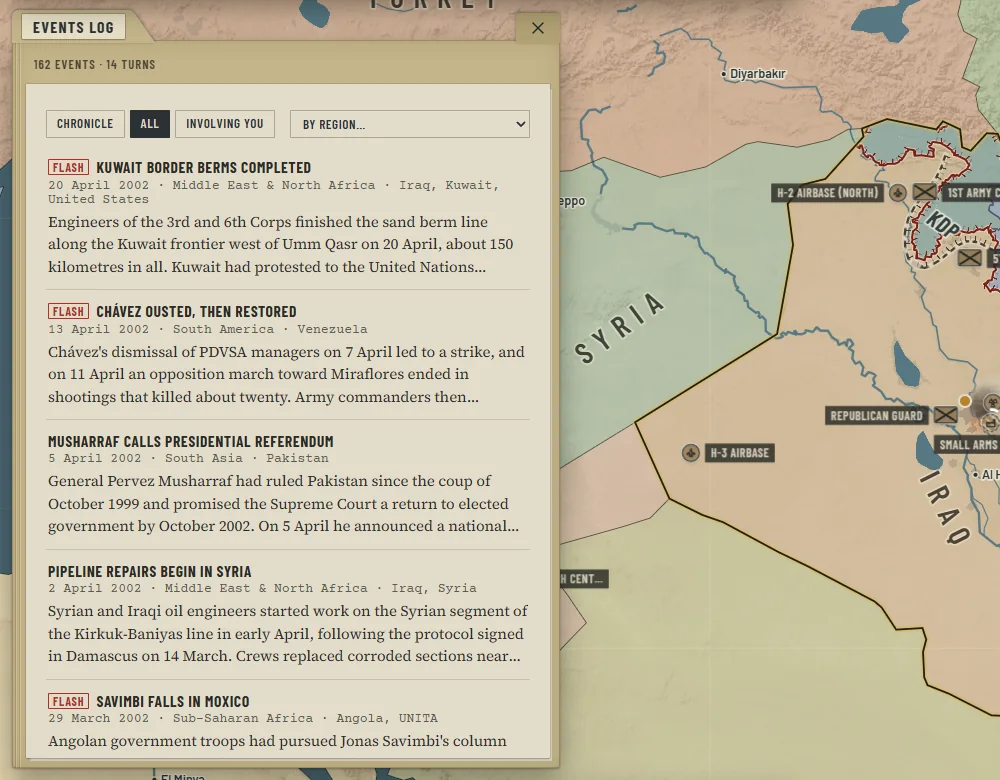
4Read what happened
About ten events come back from each jump, written as readable history rather than wire-service headlines. The map redraws as they arrive: borders, front lines, units, bases and occupied land. For great events before 1990 the news arrives as a newspaper front page of the day.
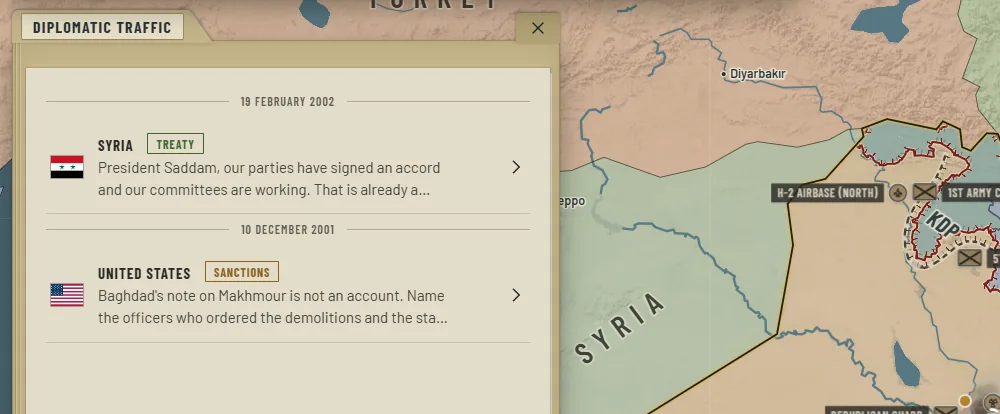
5Talk to the world
Send a cable to any leader or movement. They reply in character and in their own interest: they bargain, threaten, or offer terms you can accept with one click, and the treaties, sanctions and wars that follow are drawn on the map.
What the world keeps track of
The story is written fresh each turn, but it sits on records the game keeps, so the world stays consistent over a long game.
Your nation's standing
Stability, economy, military, public support and international standing, rising and falling with what happens.
Provinces and districts
Who holds what, down to the district, and whether it is annexed, occupied or contested.
Wars and peace
Every war, its sides and its front lines, and the settlement that ends it: from a ceasefire to a change of government.
Armies and bases
Units appear where the events put them, alongside airbases, ports, factories and research sites.
Allies and clients
Alliances, treaties, sanctions and client states, each shown on the map and in the folders.
Your aims
Objectives you set or ask the staff to suggest, and an Agenda that grows out of the orders you give.
Before you play
Who is the game master?
Claude, an AI model made by Anthropic, working inside rules the game sets: what each side can afford, who holds what, and what happened before. Its stories are fiction, not news or predictions, and they can get details of real places and people wrong.
Is it realistic or is it fair?
Both, on purpose. Actions carry the weight they would really have and states don't collapse at the first push, but realism isn't pessimism: when your plan works the game says so, and a limited move stays limited.
Does real history keep happening?
Nature and the calendar do: elections fall when they are due, leaders age, and disasters still strike. What people decide is up to the game from your start date on, so the headlines can go very differently.
Can I take a turn back?
Yes. Undo takes back the last jump, and the history slider shows the world on any earlier date of your game.
How do I get to play?
Crown & Ballot is in private testing, open free of charge to people who have been sent a passcode.